
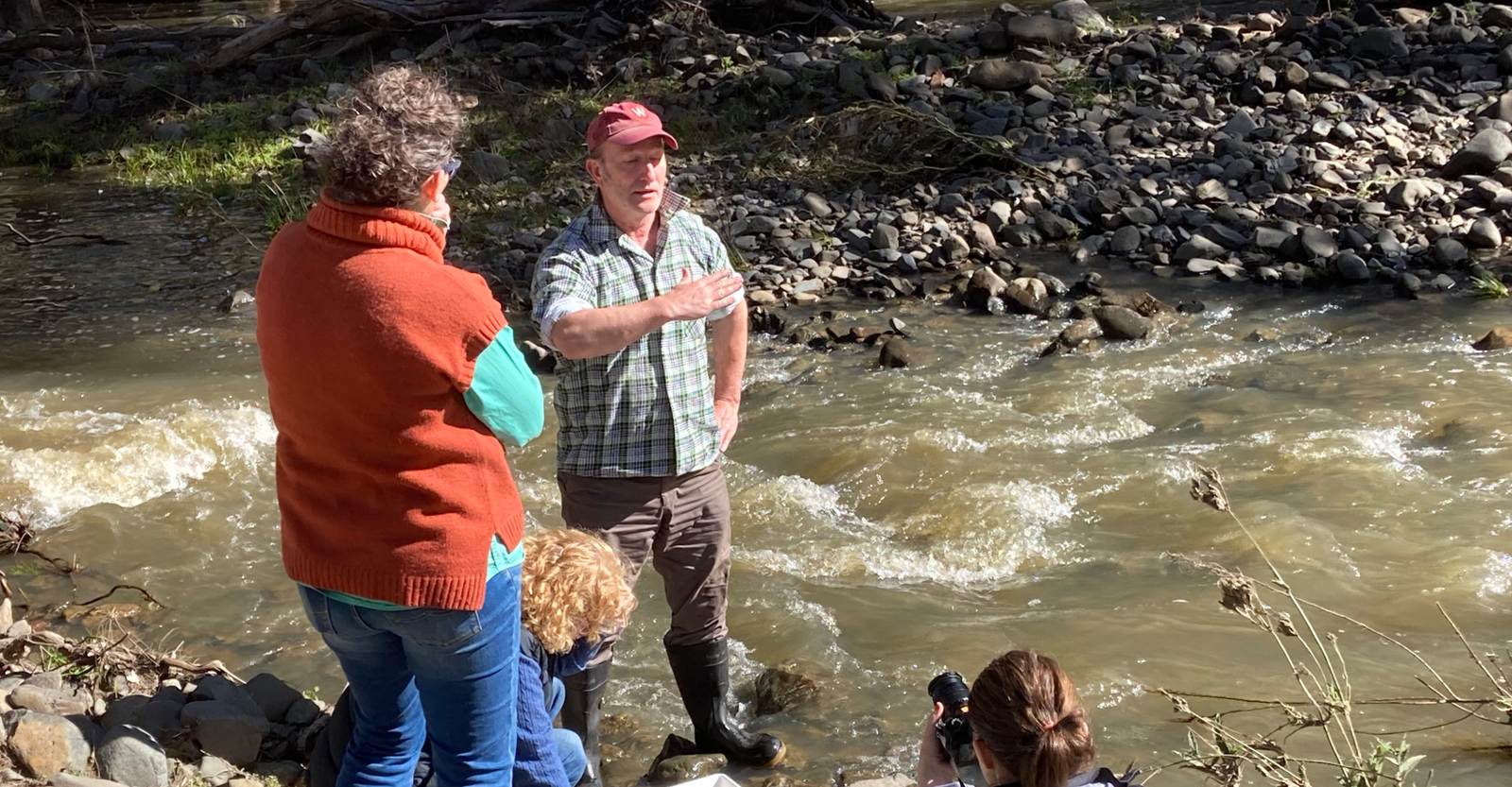
In Western Sydney, there are areas that have ongoing roles available for citizen scientists interested in wildlife, climate change or bushfire impact research. According to Western Sydney University (WSU) Associate Professor Ian Wright, citizen science plays an important role in continuing “community debate” and bringing issues to the attention of politicians.
Citizen scientists provide scientists and researchers with data and information at a scale that would otherwise be impossible. This is achieved by numerous citizens submitting data in the form of surveys, images, videos and audio along with the location and time of said data.
Getting involved near your campus
Commencing on Sunday, March 1, Birdlife Australia’s biannual Rockwarbler survey calls upon the community to spend 30 minutes searching and listening for Rockwarblers around areas. Students can search grasslands near Waratah Road or around Georges River near Hamilton Road, Kentlyn, a one-hour public transport trip from WSU’s Campbelltown campus.
ClimateWatch’s ongoing project requires community members to submit photos of wildlife and plants to a database through their mobile app or browser. There are specific trails provided to maintainconsistency, one of which is around Sydney Olympic Park, and accessible via public transport.
ClimateWatch also has a trail about 5km west of WSU Campbelltown campus at The Australian Botanic Garden in Mount Annan.
The Australian Citizen Science Association’s (ACSA) project finder, SciStarter Australia and CSIRO, provide more information on current citizen science projects.
Getting involved away from campus
Many projects have available roles open to the public that involve submitting data through a mobile app. The mobile app iNaturalist provides many opportunities for people to send data to scientists researching about flora and fauna.
There are ongoing projects that students are encouraged to take part itin, including bird counting, recording frog calls, moth trackers and even recording your own farts.
Why get involved with citizen science?
Being a citizen scientist can feel empowering as you are contributing to climate, plant and wildlife research. Participating in these studies and research helps citizens learn more about the natural environment around them.
Associate Professor Ian Wright utilised community data to establish Per- and polyfluoroalkyl substances (PFAS) contaminated foam on the Belubula River. This discovery made the Environment Protection Authority (EPA), and community aware of the unsafe levels of PFAS, aka forever chemicals, in river water.
Associate Professor Ian Wright says that “We need people from all backgrounds… because you will have different perspectives”.