
Sydney just finished its warmest winter to date in its 167 years of record, according to University of Technology Professor and meteorologist expert, Milton Speer.
This comes following research from Weather Zone which said that Sydney’s overnight minimums and daytime maximums were an average of 15.1 degrees, which is 0.6 degrees warmer than the record set in 2013.
Speer said that this acceleration in warming has increased even more in the last decade or so.
Western Sydney is experiencing the worst of this acceleration, having recorded consecutive daytime maximums above 20°C and above-average overnight minimums according to Weather Zone.
When asked what they thought the reasons are for such trends, Kayla Graziano, a nursing student at Western Sydney University, said that this trend in Western Sydney can be attributed to “climate change and global warming.”
Judith Bruinsma, the Project Coordinator of Western Sydney Regional Organisation of Councils, said that this trend can also be attributed to human development.
“The impacts of heat are already being felt across Western Sydney as a combination of our natural geography, climate change and green fields making way for new housing developments exacerbate the ‘urban heat island effect’ and extreme heat,” said Bruinsma on the AdaptNSW website.
According to a report by AdaptNSW, the urban heat island effect can be attributed to a variety of causes including the use of heat absorbing materials in buildings and infrastructure as well as the human performance of heat-generating activities, such as using transport and electricity.
Planning developments in Western Sydney have also been found to contribute to the “urban heat island effect”.
University of Technology Professor and meteorologist expert, Milton Speer, said that in the last decade or so “relaxed planning controls” have led to residential properties with little greenery to create “carbon sinks”.
What does this mean for Western Sydney?
Graziano is concerned that future winters will continue to warm.
“I do think they will continue to be quite unpredictable though; we will probably keep seeing those random cold snaps throughout the season,” she said.
However, there are concerns about the effect of the drying trend on the environment.
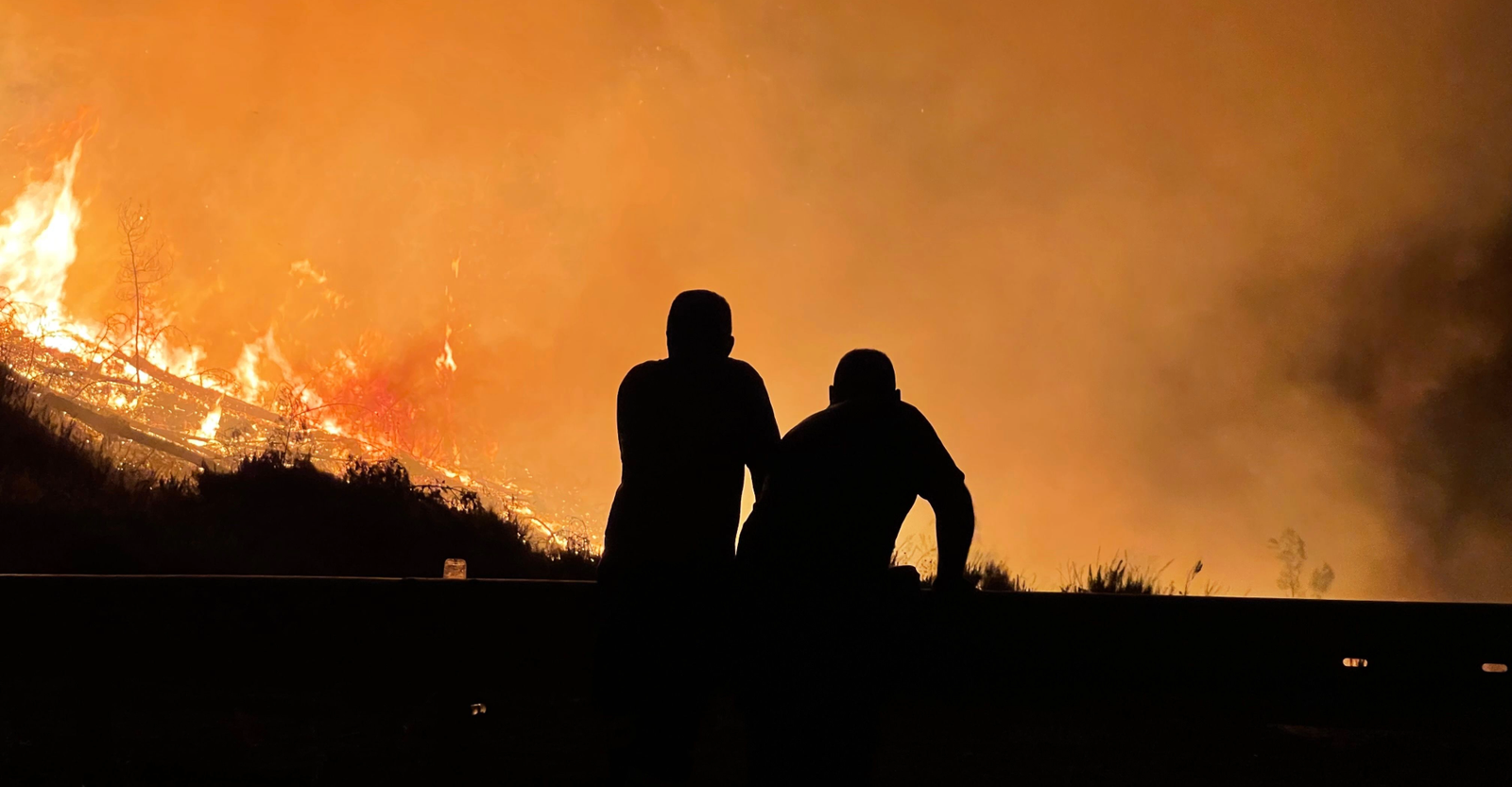
“The drying trend…implies drying soils, hence drying vegetation leading to dangerous bushfire risk. On the other hand, when sea-surface temperatures continue to reach anomalously warm values around eastern and northern Australia, the increased atmospheric moisture that they can provide will continue to result in short duration, heavy rain-producing floods in parts of eastern and northern Australia, similar to events of recent years,” said Speer.
Graziano shared concerns about the impact of this trend on businesses that rely on the weather.
“I have friends who went snowing at Perisher, and they were talking to me about the snow being delayed…[Less snow] affects the community, as people rely on the snow to maintain business,” she said.
With this risk posed to Australia, specifically Western Sydney, the NSW Government has signalled that there needs to be greater safety measures.
“[Research] tells us why we need to do as much as we can to reduce emissions, but also do adaptation measures, which is about tree canopy and trying to cool our suburbs as people are dealing with longer and hotter summers,” said Penny Sharpe, NSW Minister for Climate Change and Energy on the ABC’s website.
To counter concerns, additional hazard reduction burns have been conducted in the past weeks to prepare for the elevated fire risk in the upcoming summer.
“We can’t control the weather, but what we can do is ensure that we’re as best prepared as possible,” said Minister for Emergency Services Jihad Dib on the ABC’s website.