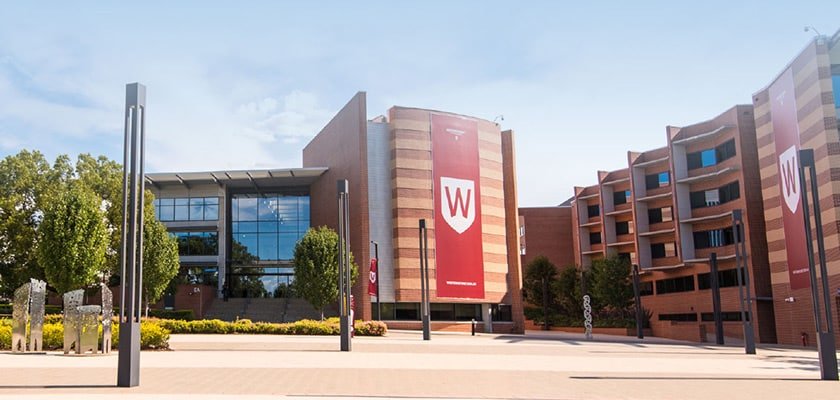
A recent NSW parliamentary inquiry has found during the 2025 restructure of Western Sydney University over $30 million was spent on consultancy fees. As part of the review, corporate consultancy and advisory firm KPMG was engaged for a fee of $2.6 million, highlighting a potential conflict of interest with WSU Chancellor Jennifer Westacott, a former Board Director of the firm.
Evidence given to the inquiry on the 12th of June 2026 brought attention to the conflict of interest with KPMG, prompting questions about professionalism and transparency during a difficult time for WSU. After working as the Board Director for KPMG from 2005- 2011, Jennifer Westacott returned as a Special Advisor to client teams in 2024, one year into her role as University Chancellor, and nine months before the ‘Reset Western’ restructure was announced. The Committee questioned Vice-Chancellor and President Distinguished Professor George Williams how the university could assure staff and students that Westacott’s professional relationship with KPMG would not influence university decisions. Williams indicated Westacott did declare her involvement with KPMG before it was publicly announced and was excluded from decisions involving KPMG and other consultancy firms. WSU has since introduced a formal written protocol governing her involvement and commissioned an arms-length probity review of recent major consultancy engagements. An additional internal audit check has also been introduced for consultants above a specified threshold.
A Western Sydney University spokesperson confirmed that Westacott has been “scrupulous” with declaring actual or perceived conflicts of interests, and assured that the probity review has been completed and is currently being reviewed. No probity breaches were identified, and policies and processes related to procurement are also in the process of revision and improvement. There is no evidence presented to the Committee that Westacott influenced a KPMG contract. The concern, however, extends beyond proven wrongdoing. SRC President Bailey Anderson told W’SUP, “Western Reset has undoubtedly caused frustration and impacted the lives of many staff and students,” and that the Western Community has a right to be concerned with alleged conflicts of interest within the university’s governance structure. When a senior university figure has a professional relationship with one of the institution’s largest suppliers, public disclosure alone may not be enough to maintain public confidence. The ‘Reset Western’ restructure was rolled out in a bid to reduce operational costs facing the university, which lead to significant redundancies and staff upheaval. The restructure was initially projected to affect up to 400 positions.
Ultimately, 187 voluntary redundancies were recorded, while the university said almost 500 new positions were created. Management defended Reset as necessary to address financial pressures, including previous deficits, international student restrictions, domestic enrolment pressures, and significant cybersecurity expenditure. Professor Williams said the university had faced a projected deficit of around $250 million over five years if it failed to change course. Staff representatives disputed this characterisation. National Tertiary Education Union (NTEU) representative David Burchell told the Committee that, in his view, the financial crisis used to justify Reset did not exist in the way it had been presented to staff. He argued that the restructure was driven more by organisational objectives than an abnormal financial year. Whatever the underlying financial justification, the implementation had consequences. Williams acknowledged that parts of Reset “didn’t go right” and subsequently added staff and student casual workers to address the problems. WSU also spent approximately $1.3 million on additional support and consultants during Reset, which management said supplemented rather than replaced university employees.
The WSU spokesperson confirmed Reset was to address WSU’s longterm financial sustainability and consultants were only engaged when absolutely necessary. The university has taken steps that should help: disclosure of the Chancellor’s connection with KPMG, formal conflict protocols, independent probity review, and stronger auditing. “Under the University’s previous Procurement Policy, there were no adequate probity requirements or recommendations relating to procurement of this nature,” said Anderson. “I acknowledge and commend the University for the introduction of Independent Probity Adviser/Auditor requirements. Furthermore, I welcome the internal probity review.” The WSU spokesperson also stated that WSU is proud of its proactive commitment to updating staff, unions, and the wider community through Reset, though it is understandable that many had their doubts regarding the transparency of its rollout and results.